Commercial Water Restoration in Clarks Hill, IN
Property managers in Clarks Hill get scope by suite, daily moisture logs and documentation from extraction through rebuild.
Clarks Hill Water Restoration is the Clarks Hill call for Commercial Water Restoration: emergency crews around the clock, moisture readings instead of guesswork, and insurance files built properly. Call (463) 241-6041.
- Service: Commercial Water Restoration for Clarks Hill homeowners
- Service area: Clarks Hill, IN and surrounding areas
- Response time: 24/7 live dispatch; emergency crews prioritized for Clarks Hill
- Licensed and insured (License #RC21100059)
- Serving Clarks Hill, IN since 2018
Commercial Water Damage Restoration in Clarks Hill
We extract water and dry commercial buildings across Clarks Hill, and we're available around the clock.
Site Conditions
Properties near the Wabash River carry added flood risk in heavy rain. Freeze and thaw cycles each winter can burst pipes in unheated parts of a commercial building. Your building's own drains and roof get checked on the first walkthrough with whoever manages the property.
We cover commercial properties across Clarks Hill, including the area around the Main Street commercial district. We also handle commercial water losses in Colfax, Stockwell, Lafayette and Otterbein.
Commercial Water Restoration for Clarks Hill Businesses
In a strip center, water from one unit can slip past the demising wall and into the neighbor's space before anyone notices. A salon or a retail shop next door ends up with wet drywall and a lease question. Clarks Hill Water Restoration documents each unit separately in Clarks Hill, so the landlord and every tenant get a record for their own space.
Air handling can help a drying job or hurt it. Clarks Hill Water Restoration talks with your engineer about which units serve the wet zone before equipment starts, so humid air from the affected floor doesn't get pulled into return plenums and carried to the rest of your Clarks Hill building. Filters and coil pans in the affected zone get checked by your HVAC contractor.
Cleaning happens while containment is still up. Hard surfaces get wiped down and floors get a HEPA vacuum pass. Walls and base get a damp wipe where the water carried dirt from the pipe or the ceiling. Dust and residue stay inside the work zone this way, and the finished area in your Clarks Hill building is ready for the repair crew.
Contents get claimed one item at a time, so the inventory matters. List each item of furniture and equipment by room with a description and a photograph. Clarks Hill Water Restoration photographs contents in place before anything is moved and keeps the list with the job file, which saves your staff from rebuilding it from memory later.
Pick up the phone while the water is still being tracked down. Clarks Hill Water Restoration dispatches to commercial losses in Clarks Hill, traces where the water went with thermal imaging and meters, and documents every floor it reached. You receive the moisture map with the first day's findings.
Signs You Need Commercial Water Restoration
If you notice any of these in your Clarks Hill building, schedule a free inspection before the issue worsens.
Flush valve running over a weekend with water seeping into the hallway carpet
Rust staining at the base of steel studs, shelving uprights or racking posts
Sewage backing up at a floor drain in a restroom, kitchen or loading area
Ceiling tiles on the break room floor Monday morning with wet carpet tile beneath them
Patches of a concrete slab staying dark for hours after everything around them dried
Brown stains forming on ceiling tiles beneath a roof drain location after a storm
White chalky deposits appearing on a block wall or along a slab control joint
A shutoff valve or supply line weeping behind an access panel in a janitor closet
Carpet tile edges curling or lifting where the adhesive underneath has released
Pallets or cardboard cases showing a wick line a few inches up from the slab
How Clarks Hill Water Restoration Handles Commercial Water Restoration
We follow these steps in order on every Clarks Hill job.
Air Handling Coordination
Units that serve the wet zone get identified with your engineer and HVAC contractor. Affected air handling is isolated or switched off, which keeps moisture from riding the return air to unaffected floors.
Extraction at Scale
Submersible pumps take standing water, truck mounted units pull saturation from commercial carpet and glue down assemblies, and weighted heads work the backing. Crews move in sections on large floor plates so water doesn't get pushed into dry space.
Selective Removal
Material comes out of your Clarks Hill building where the meters and the water category support it, and stays where it can dry in place. Each cut is photographed and logged by location, and the list is reviewed with you in writing.
Tenant Notices and Updates
Plain language notices go out to the tenants in your Clarks Hill building saying which areas are affected and when crews will be in the space. Updates follow as the readings change, with a contact name for questions.
Clearance Verification
Previously wet materials get read against dry standard readings from the same materials in an unaffected part of the building. Equipment comes off the floor once those numbers are documented, and containment comes down after that.
Commercial Water Restoration in Clarks Hill
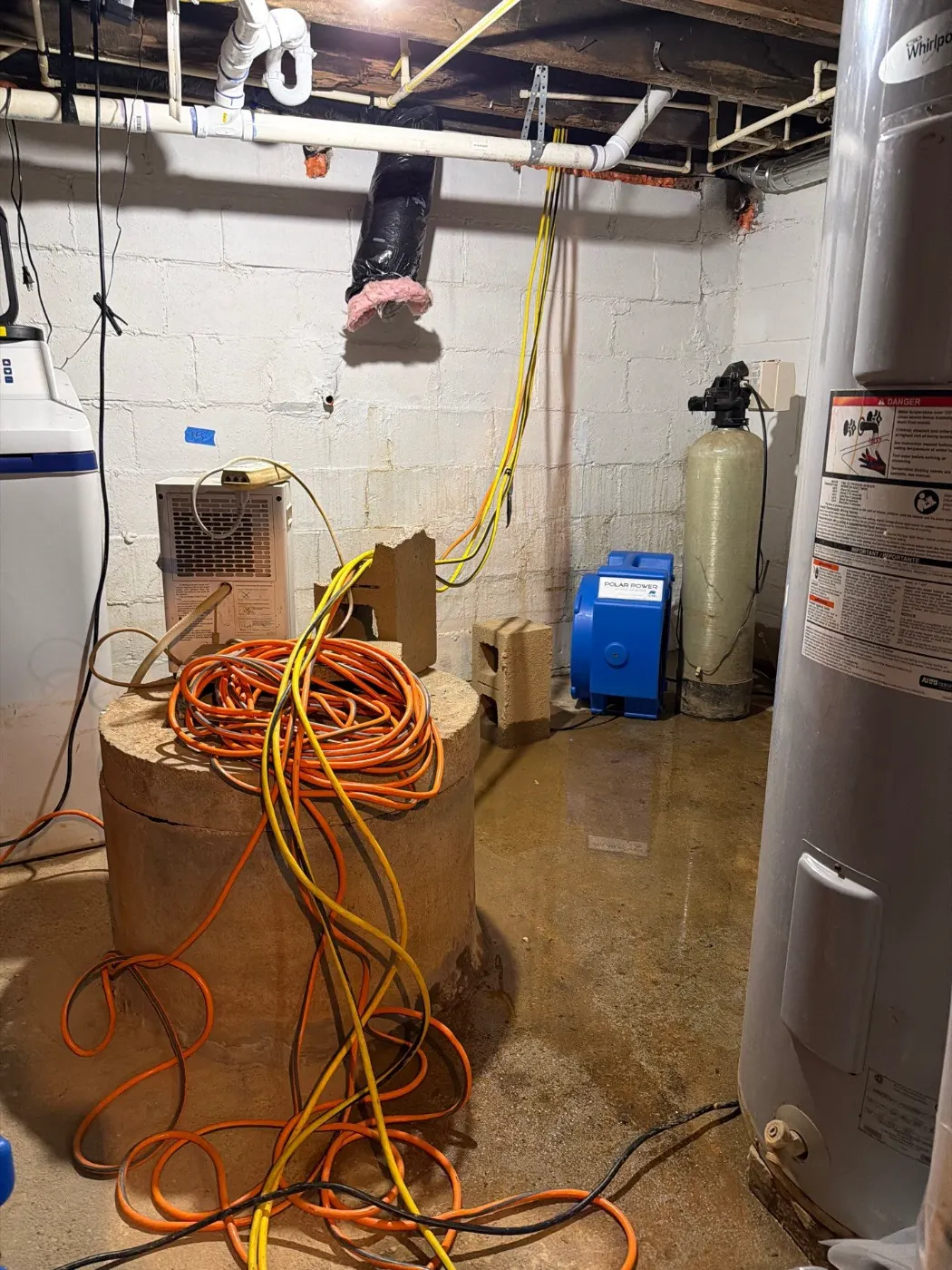
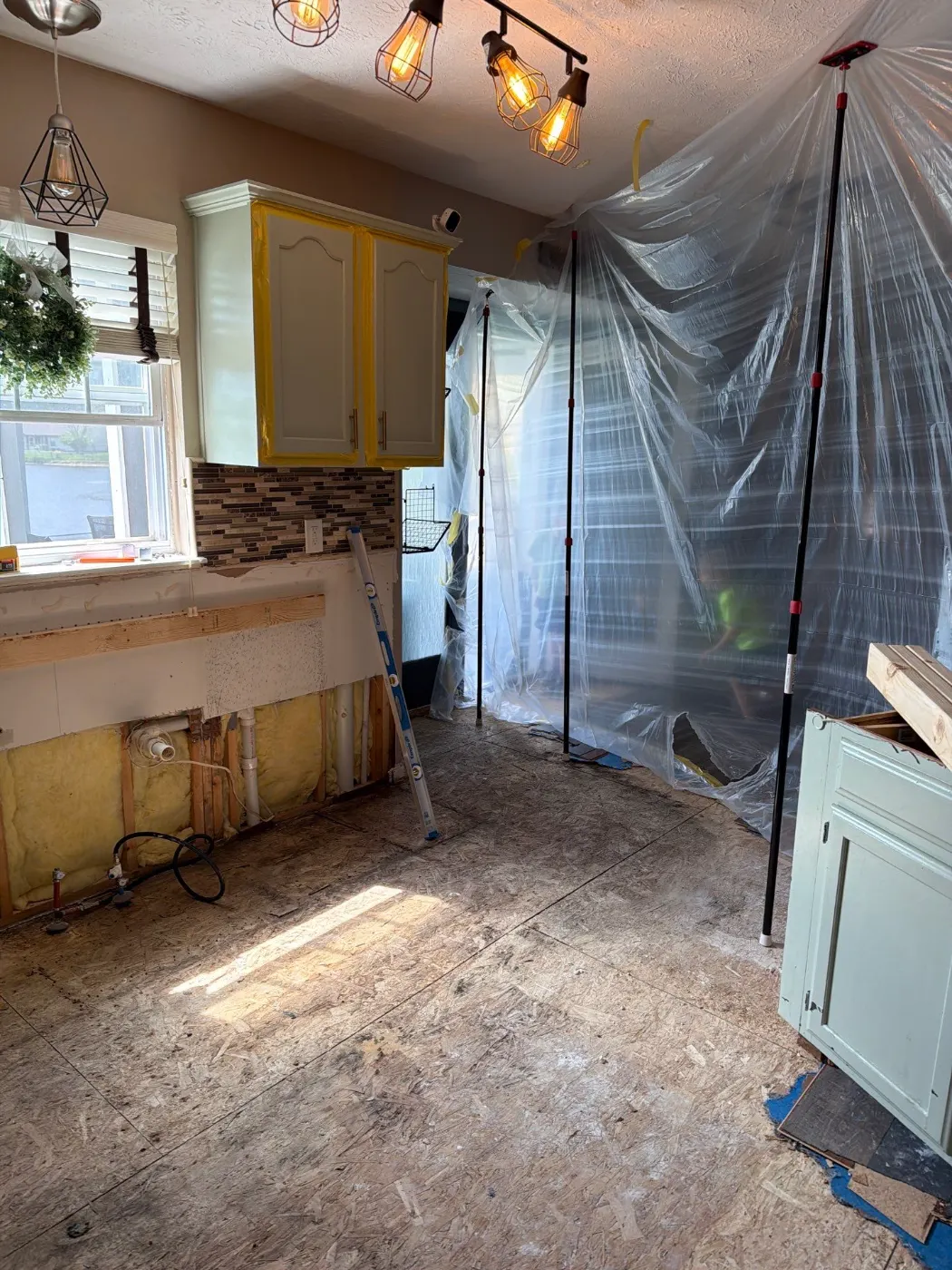
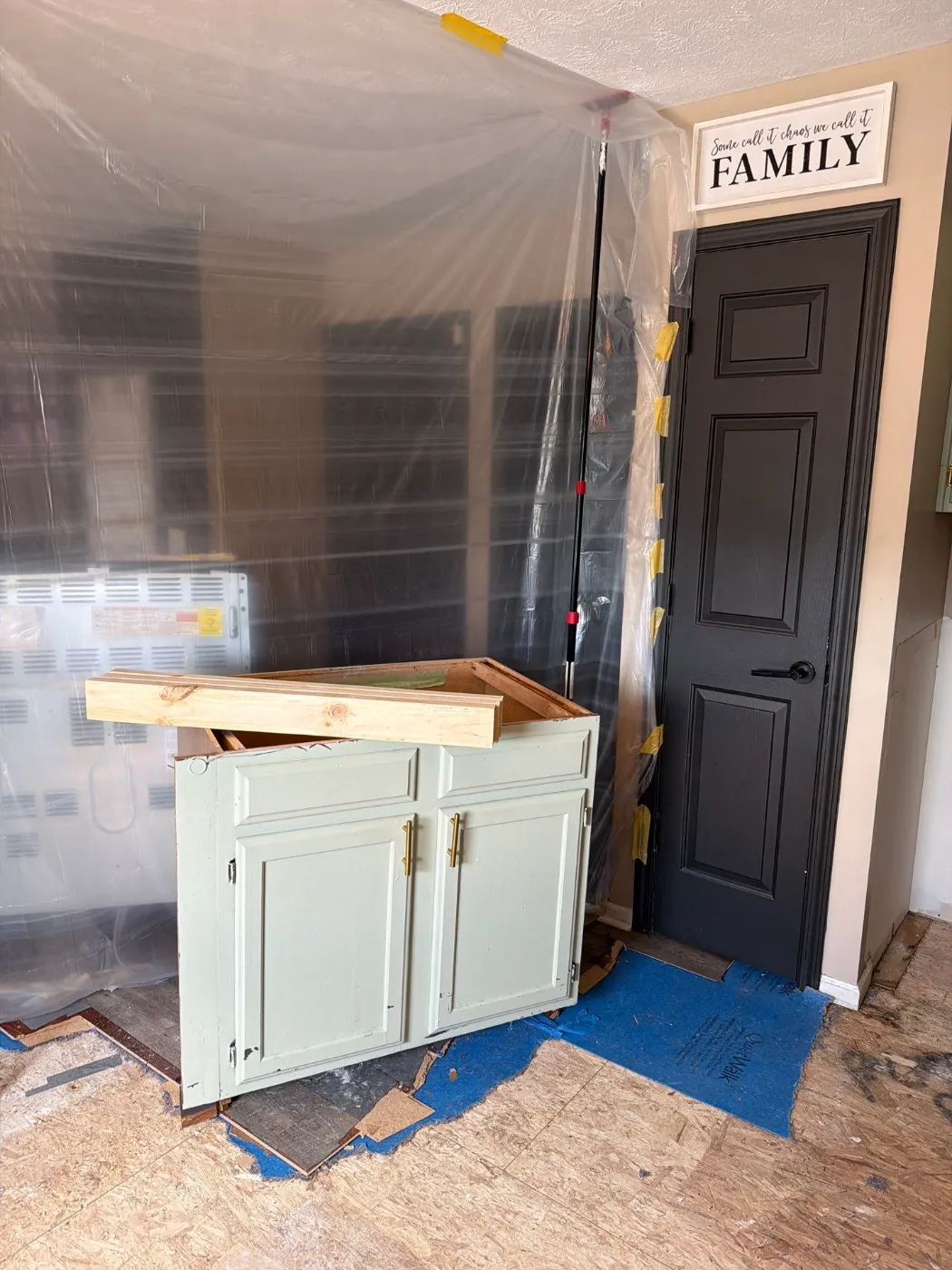
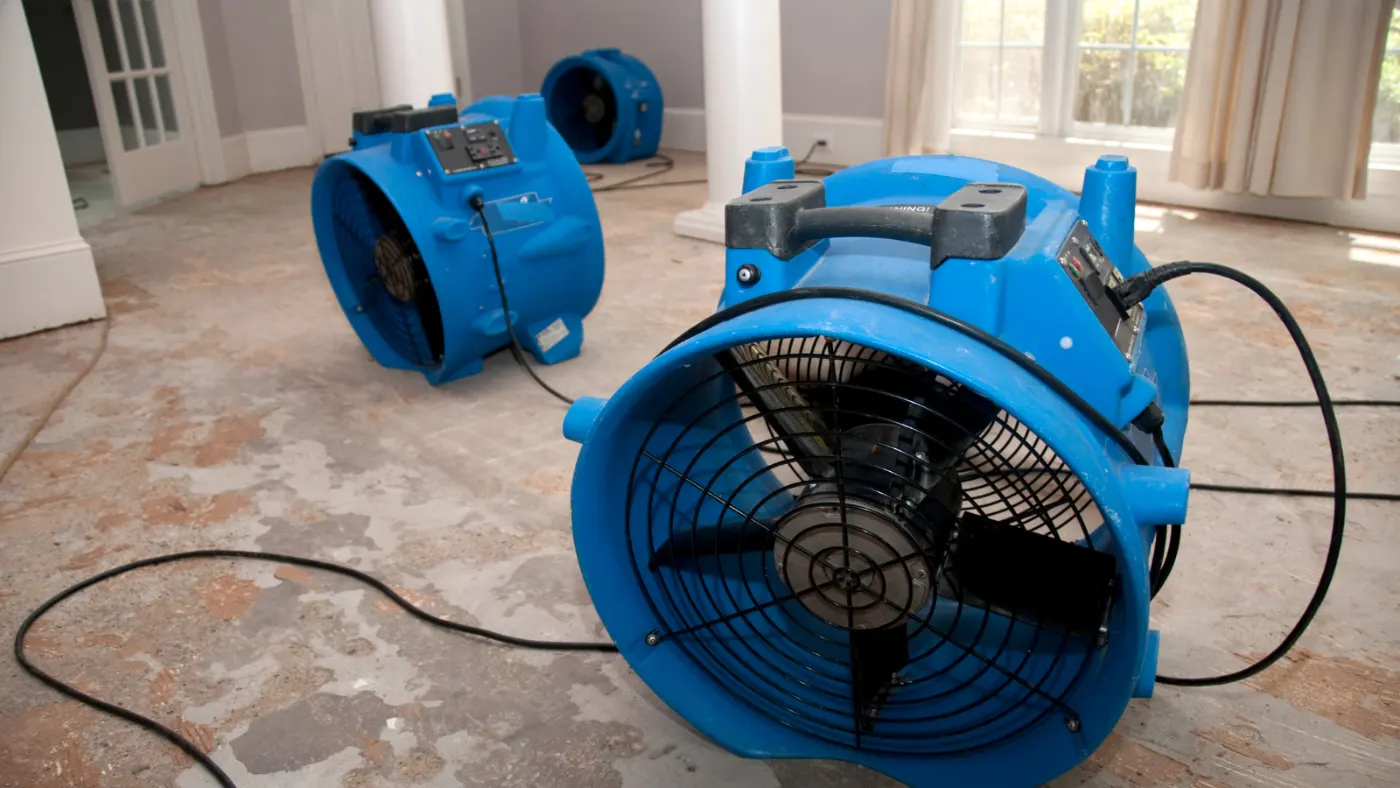
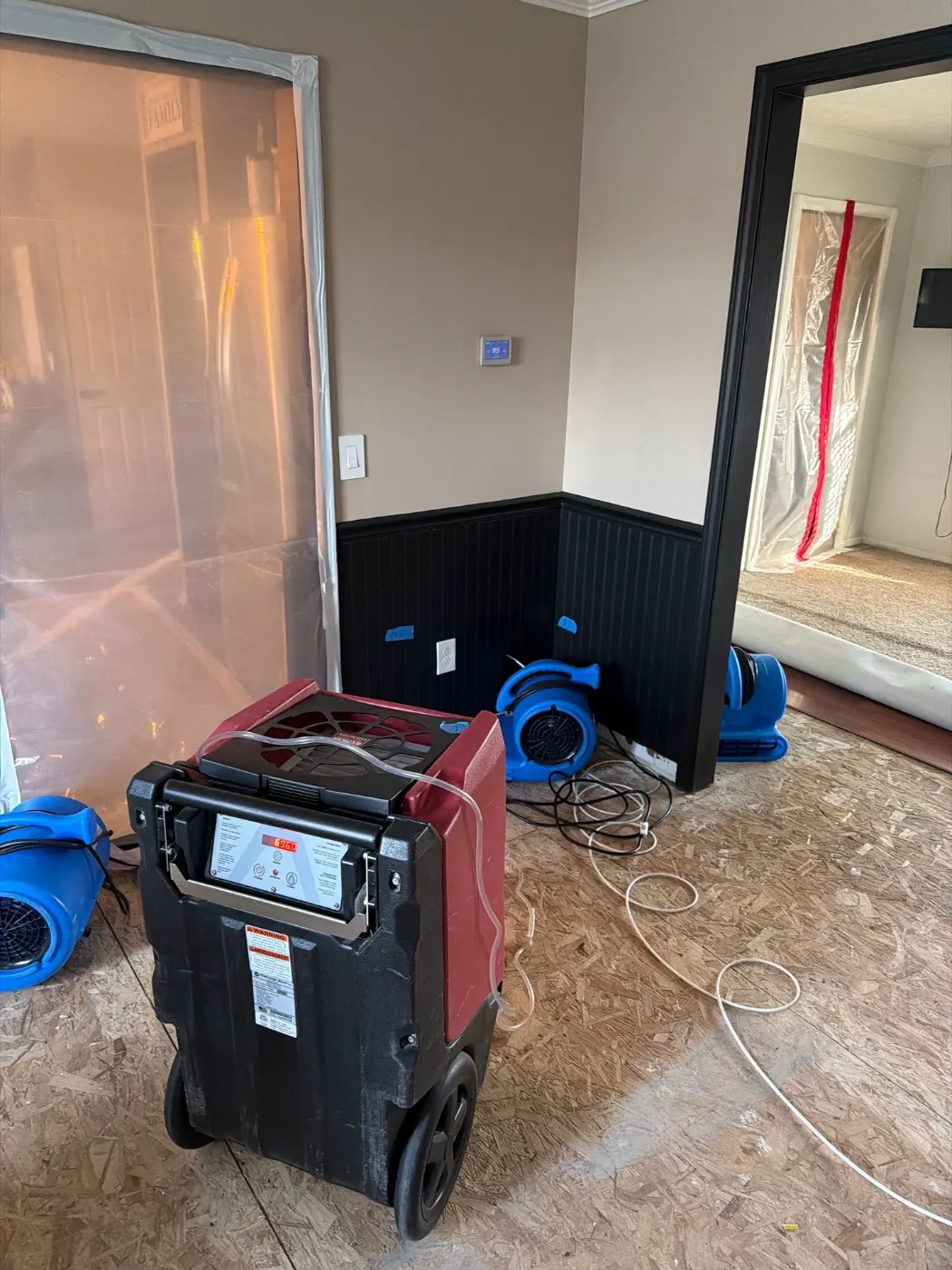
Photographs from real commercial water restoration jobs completed by our crew in Clarks Hill and surrounding areas.
Commercial Water Restoration FAQ
Questions Clarks Hill property managers ask us about commercial water restoration.
Guidance and Standards for Commercial Water Restoration
- The ANSI/IICRC S500 is the published standard for professional water damage restoration. The current edition is the Fifth Edition, 2021. IICRC S500 Standard
- EPA advises drying water damaged areas and items within 24 to 48 hours to prevent mold growth. EPA: A Brief Guide to Mold, Moisture and Your Home
Clarks Hill Neighborhoods We Serve
We take commercial water restoration calls in every part of Clarks Hill. Pick your neighborhood for local details.
Other Restoration Services in Clarks Hill
Clarks Hill Water Restoration handles the full scope of restoration work. Explore our other services below.
Water Damage Restoration in Clarks Hill
24/7 emergency response. IICRC certified water restoration from extraction to full dry out.
Learn more →Basement Flooding in Clarks Hill
Basement water emergencies handled fast. Extraction, drying, mold prevention.
Learn more →Sewage Cleanup in Clarks Hill
Category 3 biohazard cleanup. Full containment, decontamination, structural restoration.
Learn more →Request Commercial Water Restoration
Reach Us Directly
Our team is available 24/7 for emergencies and ready to schedule inspections during business hours.
Need Immediate Help?
For active water or mold emergencies, call us directly. We are available 24/7.