Why Washing Machine Floods Cause More Damage Than People Expect
The average residential washer cycles between 15 and 30 gallons per load, and a ruptured supply hose at 60 psi can push roughly 600 gallons per hour into your home until someone closes the valve. That is the part most Clarks Hill homeowners underestimate. A small puddle at 7 a.m. becomes a saturated subfloor by 9 a.m. and a sagging drywall ceiling by noon. The water does not sit politely on tile. It tracks along floor joists, wicks up into bottom plates, and pools in wall cavities where you cannot see it.
The second issue is contamination. A clean cold water supply line break is IICRC Category 1, meaning sanitary water. A drain hose failure mid cycle, especially after a load of cloth diapers, gym clothes, or pet bedding, is Category 2 gray water with detergent, body soil, and bacteria. If the standpipe was actually a sewer backup pushing water back through the machine, you are looking at Category 3 black water and a very different scope. Our technicians categorize the loss within the first 30 minutes on site, because that one decision dictates whether materials can be dried in place or must be removed. For deeper context on these distinctions, our burst pipe water damage guide walks through the same category framework from a different angle.
There is also a structural concern that gets overlooked in the panic of the first day. Engineered wood subfloors, common in Clarks Hill homes built after 1995, swell irreversibly once moisture content passes 28 percent. OSB sheathing can lose up to 40 percent of its load bearing capacity when saturated for more than 48 hours. That means a second floor laundry flood is not only a finish problem, it can compromise the joist bay below. We bring in pin and pinless moisture meters on every initial inspection, and on larger losses we map the perimeter of saturation in chalk so the homeowner can literally see how far the water traveled past the visible wet line.
The Comparison That Matters Most
The table below reflects what we actually see on Clarks Hill jobs, not theoretical ranges. Use it to set expectations before the first crew truck arrives.
| Scenario | IICRC Category | Typical Affected Area | Drying Time | Demo Required | Repair Cost Range | Insurance Outlook |
|---|---|---|---|---|---|---|
| Supply hose burst, main floor, caught within 1 hour | Category 1 | 200-400 sq ft, one room | 3-4 days | Minimal, baseboards only | $1,800-$4,500 | Usually covered, sudden and accidental |
| Supply hose burst, second floor laundry, ran overnight | Category 1 turning to 2 | 600-1,200 sq ft across two levels | 5-7 days | Ceiling drywall, insulation, flooring | $8,000-$22,000 | Covered, but ACV vs RCV matters |
| Drain pump failure mid cycle, basement | Category 2 | 300-600 sq ft | 4-6 days | Carpet pad, lower drywall | $3,500-$9,000 | Covered if appliance malfunction is sudden |
| Standpipe backup from sewer line | Category 3 | Varies, often entire laundry room | 5-8 days plus disinfection | All porous materials in contact | $6,000-$18,000 | Needs sewer backup endorsement |
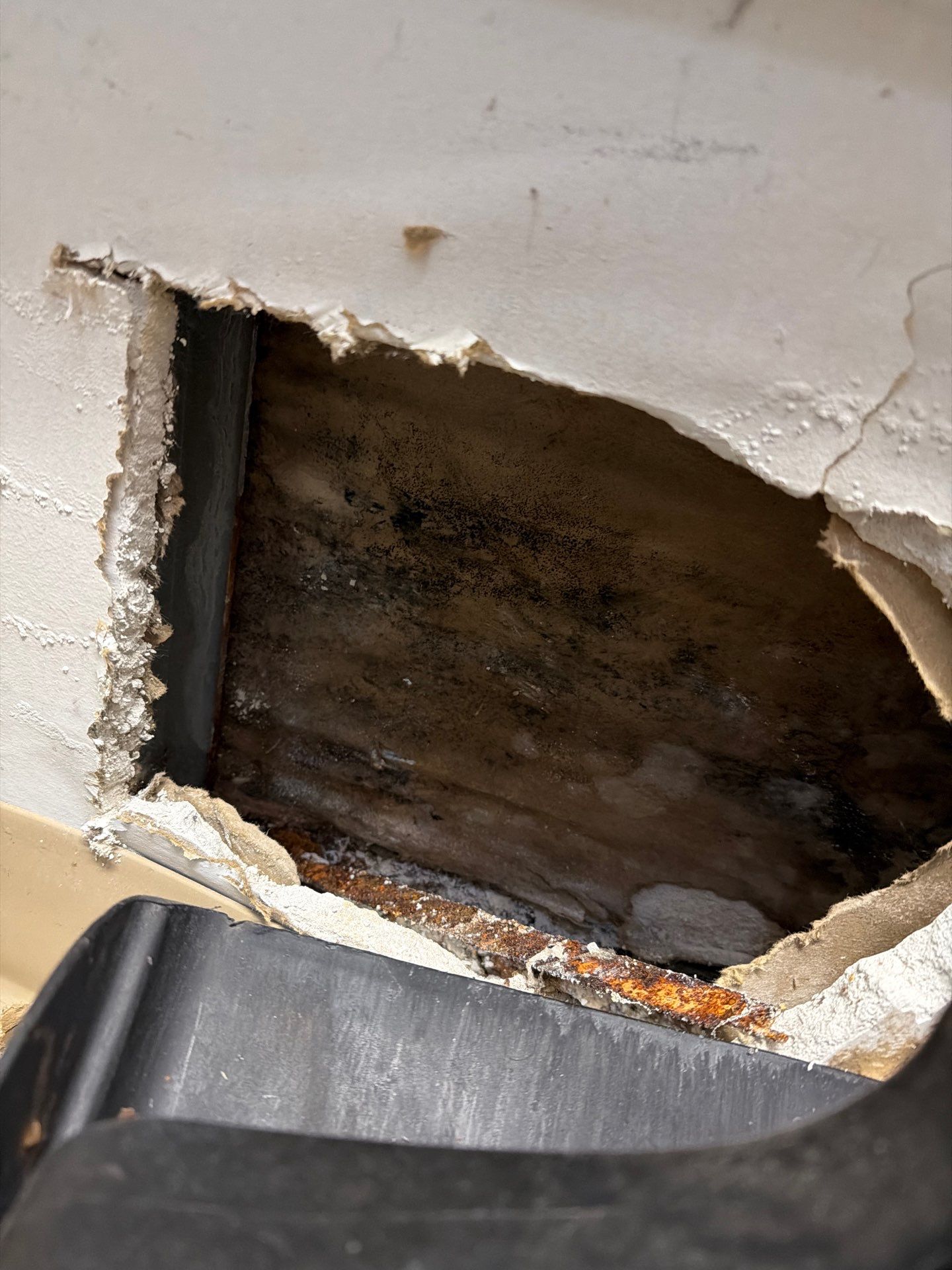
| Slow gasket leak, undetected 2-6 weeks | Category 2 with mold | 50-200 sq ft, hidden cavity | 4-7 days plus remediation | Wall cavity, subfloor section | $4,000-$12,000 | Often denied as gradual damage |
Reading the Table: What These Numbers Actually Mean for You
The single biggest lever in that entire table is response time. A supply hose break caught within an hour is a four day job and a manageable claim. The same break left for eight hours becomes a multi room loss with ceiling collapse risk and a five figure repair. That is why our Clarks Hill crews target a 60 to 90 minute arrival window for active water emergencies. Every hour of delay roughly doubles the affected square footage on a second floor failure.
The second lever is category. Category 1 losses allow us to dry hardwood in place using mat systems and low grain depressurization, often saving the floor entirely. Category 2 and 3 losses require removal of carpet pad, possibly carpet, and any drywall the water touched below the flood line. Homeowners often push back on demolition, and we understand why, but drying contaminated materials in place violates the S500 standard and creates a mold problem 30 to 60 days later. Our water damage restoration process documents every category call with moisture readings and photos so your adjuster sees the same evidence we do.
The third lever is the insurance posture. Sudden appliance failures are almost always covered under standard HO-3 policies. Gradual leaks, the slow gasket scenario in row five, are the most commonly denied claims we see in Clarks Hill. If you noticed a musty smell in the laundry room weeks before the visible flood, document when you first noticed it and be honest with your adjuster. Hiding it backfires.
A fourth lever, less obvious but increasingly important, is the age of the machine itself. Hoses manufactured before 2010 often lack the braided stainless steel reinforcement now standard on most replacement lines, and rubber hoses degrade from the inside out where you cannot inspect them. We routinely cut open failed hoses on jobsites and find the interior lining crumbling like wet cardboard while the exterior still looks new. If your washer is more than seven years old and still has its factory hoses, that detail will appear in our loss report, and it can affect both the cause determination and the future prevention recommendations your carrier expects to see.
What To Do in the First 30 Minutes
Shut off the water supply valves behind the machine, or close the main if those valves are stuck. Kill power to the laundry circuit at the breaker before stepping into standing water. Pull what you can off the floor, take wide photos and close ups of the machine label and hoses, and call a restoration company that can extract within the hour. If the water reached a finished ceiling below, do not poke relief holes yourself unless the ceiling is actively bulging. Document, then call. Our 24 hour emergency response page explains exactly what happens between your call and the first extraction pass.